Delico’s Nursery, a 2024 original anime directed by Hiroshi Nishikiori and produced by J.C. Staff, was unfortunately plagued by production difficulties and broadcast delays, contributing to its poor critical reception. Despite these external issues, the series is a highly creative, tonally wholesome work of subtle significance that warrants a reappraisal. It is not an epic narrative masterwork, but Delico’s Nursery delivers a poignant and necessary message about emotional development.
Story
Score: 6/10 — Adequate
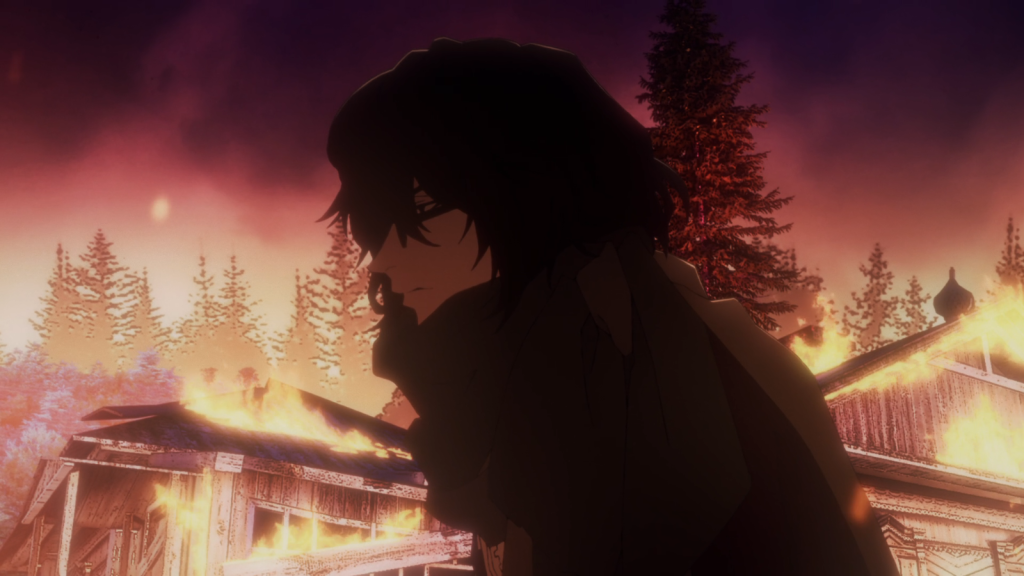
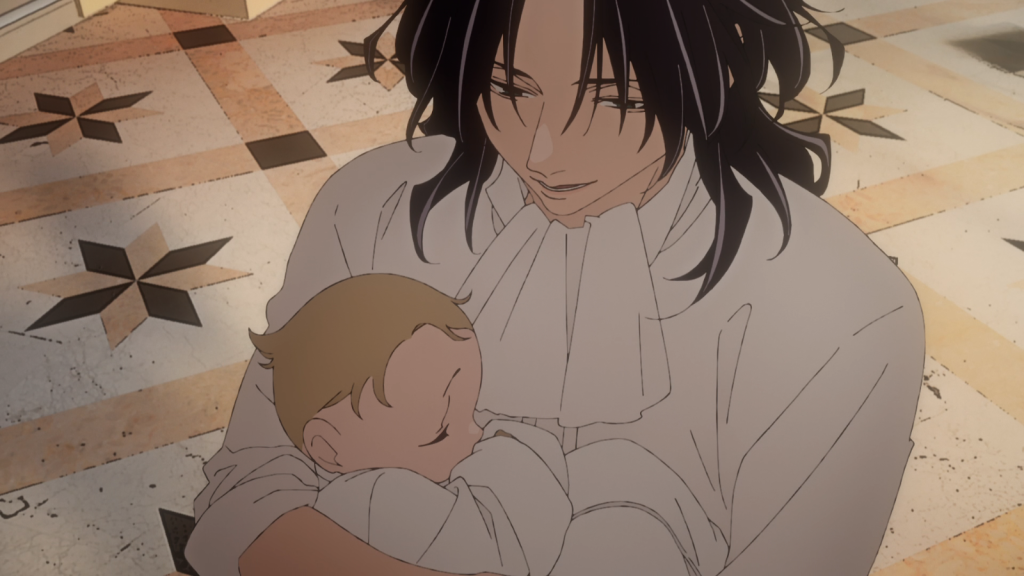
The premise is compelling: following the tragic death of his wife, Dali Delico, a high-ranking vampire noble, defies societal norms to become a single parent and establish a nursery for his children and those of other aristocratic vampires. Concurrently, he and three peers are tasked with investigating and neutralizing a dangerous faction of violent criminals threatening the stability of their hidden society.
The core concept is solid, offering a rich dichotomy between domestic care and elite vigilance. While the pacing occasionally lags and the plot meanders, these are not the primary structural issues. The greatest failing lies in the poor execution of world-building and fantasy exposition. Though the intricacies of vampire society are genuinely intriguing and revealed in tantalizing fragments, the narrative leaves too many fundamental questions unanswered regarding the setting and its magic system.
For instance, the precise relationship and coexistence (or lack thereof) between vampires and humans in this world remains frustratingly ambiguous.
A major, self-inflicted detraction is the choice of nomenclature for the foundational vampire entity: the “True of Vamp,” abbreviated as “Trump.” This inexplicable use of a name associated with an infamous contemporary political figure introduces an unwelcome element of unintentional camp, severely undercutting dramatic tension and preventing the viewer from fully immersing in the high-stakes fantasy.
Overall, the story is adequate but requires the viewer to approach it without typical genre expectations. Delico’s Nursery is not a horror or thriller; it subverts typical vampire tropes by depicting most vampires as benign and seemingly decoupled from the need for human blood. Ultimately, the show’s true focus is not on bloodlust, but on the profound journey of developing humanity, emotional intelligence, and empathy.
Visuals
Score: 7/10 — Good
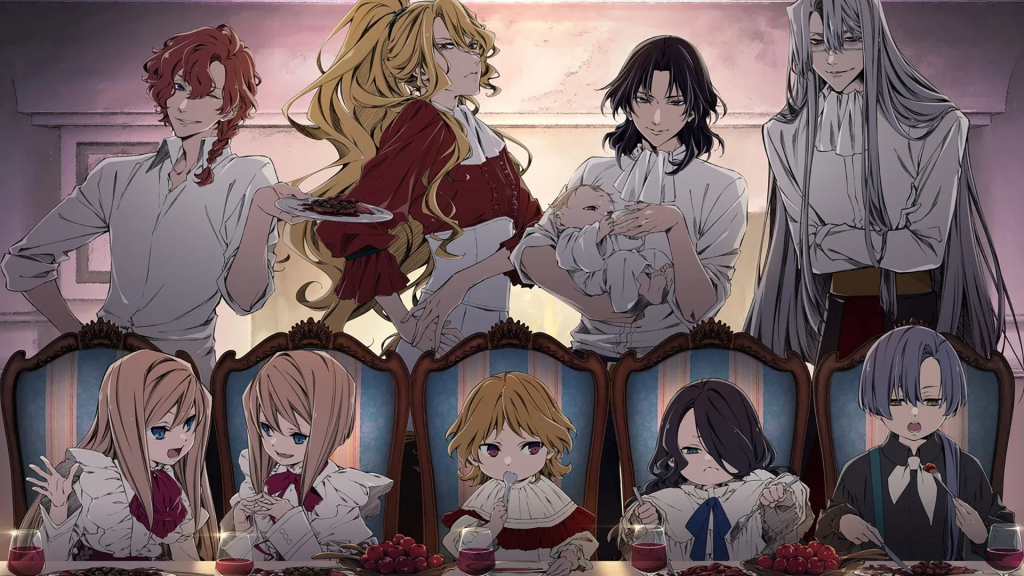
J.C. Staff delivers an uncommonly highly stylized and unconventional visual presentation. The art style is deliberately textured, characterized by thin, unvaried line-work and a noticeable absence of shading or strong highlights on the characters. The color palette remains largely muted. This unique, minimalistic approach is a calculated risk in an original IP, as it departs significantly from industry norms. However, I personally find the aesthetic to be captivating and beautiful—a welcome display of artistic courage and creativity.
Despite the minimalistic approach to overall rendering, the facial expressions are detailed and highly emotive, expertly capturing the nuances of the characters’ internal states. The character designs, particularly for the four main vampire nobles, are outstanding, featuring distinct hairstyles and conveying their unique aristocratic auras. The charming aesthetic of the children, and the strong designs for antagonists like Kiki, Catarina, and Juras, further solidify the visual strength of the series.
Audio
Score: 8/10 — Excellent
The audio production quality is universally excellent, spanning the OST, opening/ending themes, and voice work.
The opening theme, “Unfair” by Mika Nakashima (famous for “Kiss of Death” from Darling in the Franxx), is a compelling piece. While perhaps less iconic than her previous work, it successfully establishes a dark, mystical mood with its unusual rhythms and deep female vocals. Notably, the instrumental version is robust enough to stand on its own merits. The ending theme, “Prayer” by Anonymouz, offers a soothing melody with English vocals reminiscent of Western pop, effectively conveying a theme of helplessness that resonates strongly with the core narrative.
The original soundtrack, composed by Shunsuke Wada with vocal contributions from Etsuko Niira, possesses a distinct, hard-to-define atmosphere—at once melancholy, mystical, charming, and dramatic. Fans of classical music and high, operatic female vocals will find the score to be a sophisticated auditory treat.
The Japanese voice-acting is highly engaging. Masakazu Morita (Dali Delico), renowned for roles like Ichigo Kurosaki (Bleach), brings a grounded gravitas to the conflicted noble. Katsuyuki Konishi (Gerhard Fra), known as Tengan Uzui (Demon Slayer), provides a powerful supporting performance. Finally, Makoto Yasumura delivers a particularly commendable performance as Katarina, skillfully portraying the complexities of an LGBT+ character.