The first season of Tower of God (2020), while not reaching the monumental success of its manhwa source material, offered an entertaining, if flawed, adaptation. The 2024 sequel, Tower of God Season 2: Return of the Prince, marks a significant change, produced by The Answer Studio (Season 1 was by Telecom Animation Film). Unfortunately, this shift delivered a season that struggled even harder than the original work. This review covers the initial 12 episodes, Return of the Prince, and dissects the major missteps and few redeeming qualities.
(Note: This review strictly covers the first 12 episodes, “Return of the Prince” Arc, and does not include the subsequent “Workshop Battle Arc.”)
Story
Score: 5/10 — Mediocre
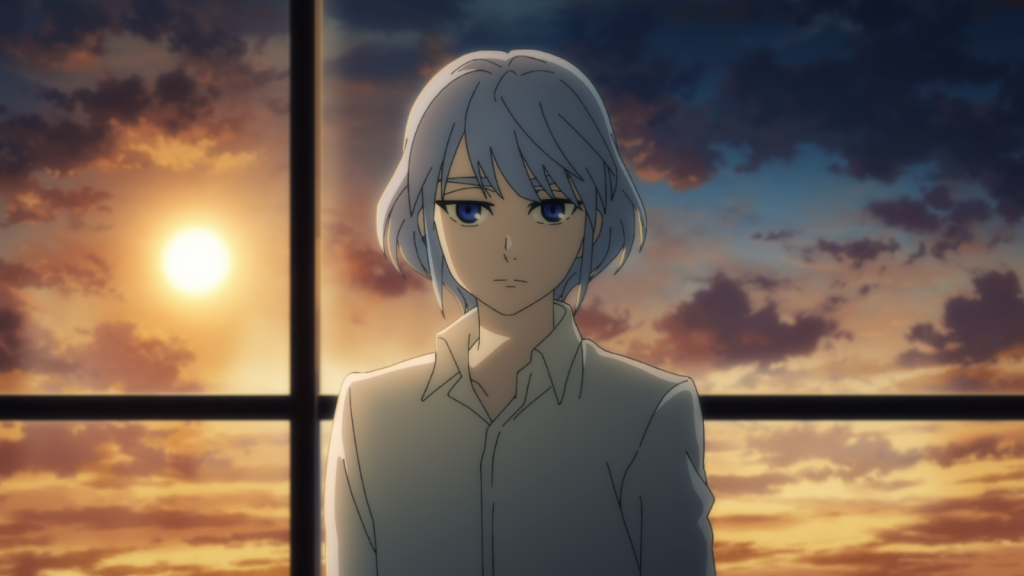
The narrative begins by sidelining the established protagonist, Bam, to introduce Wangnan Ja, a new climber. Wangnan soon encounters the mysterious, significantly more powerful Viole—who is, predictably, the transformed Bam, now operating as part of FUG, a dangerous group of “royalty-killers.” The core mystery involves Bam’s transformation, his motivation for joining FUG, and his ability to bond with Wangnan’s new team for the ascent.
While the concept promises intrigue, the execution is severely flawed. The primary issues include major pacing problems, awkward time skips, and subpar world-building. Any meaningful thematic concepts felt forced rather than organically integrated. For fans invested in the arcs of Bam and Khun, this season was frustratingly slow; progress was minimal as the focus was constantly deflected to less developed side characters. The abysmal world-building, which failed to adequately explain the setting’s mechanics, was arguably the most damaging flaw.
Visuals
Score: 7/10 — Good
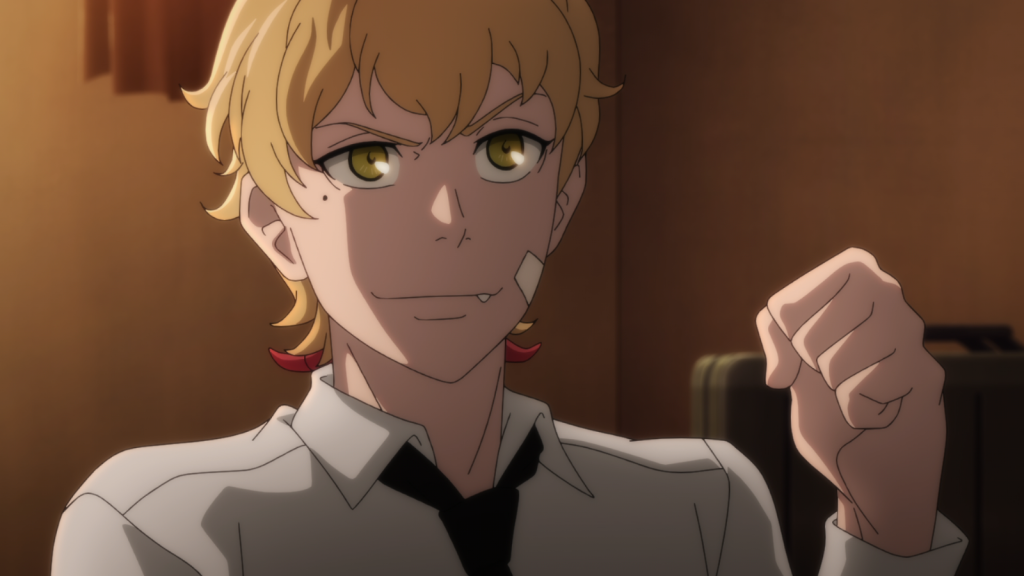
The animation quality is adequate, yet it marks a noticeable downgrade from the first season. Specifically, the fight choreography in Return of the Prince is less creative and features significantly less dynamic movement, resulting in generally boring action sequences.
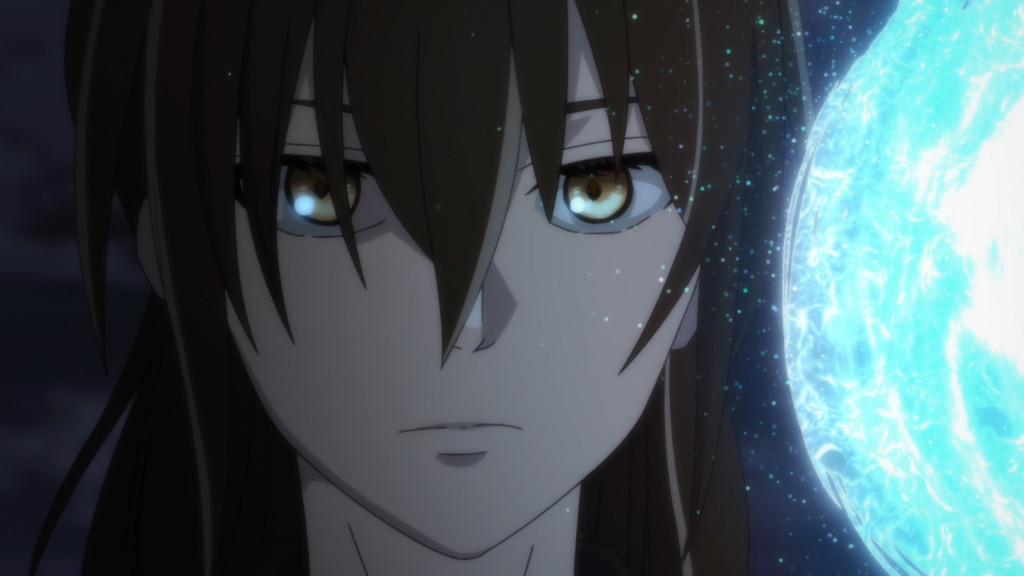
Character designs remain serviceable, though generic. A positive is the design shift for Bam, as the mature, young-adult Viole look is visually more appealing than the previous boyish design. Moments involving the use of magic (Shinsu) are visually appealing and pretty. The overall polish shines best in detailed still-shots and close-ups, maintaining strong character expressions.
Audio
Score: 8/10 — Excellent
The audio production is a clear strength, driven by composer Kevin Penkin, a preeminent figure in contemporary anime scoring. His work on the TOG Season 2 OST is excellent and highly recommended. The theme songs, though not in my usual style, are also superb. The opening, “Rise Up,” and the ending, “Believe,” both high-energy, hip-hop-influenced tracks performed by Niziu, successfully capture the atmosphere. I marginally prefer the ED for its slightly slower pace and easier memorability.
The Japanese voice-acting maintains the high standard expected in the industry. Taichi Ichikawa (Bam/Viole) successfully handles the transition to a main role, bringing necessary intensity to the transformed protagonist. Nobuhiko Okamoto (Aguero Agnes Khun), often type-cast as an eccentric or volatile character, offers a strong, reserved performance as the calm, princely Khun. Saori Hayami (Rachel) continues to impress, utilizing her versatile, “angelic” voice to embody the character’s increasing psychological complexity.
Characters
Score: 5/10 — Mediocre
The single greatest structural misstep of Return of the Prince is the near-total shift away from the established core cast. The central narrative threads involving Bam, Khun, and Rachel were frustratingly neglected, relegated to slow, underwhelming progress to make room for a slew of new faces. This lack of patience led many fans of Season 1 to understandably abandon the sequel.
Beyond the misplaced focus, the season suffers from an overabundance of underdeveloped characters. Many new additions—including Goseng, Arkraptor, Xia Xia, and Dan—possess potentially interesting concepts but are given negligible personality or development. While the character concepts themselves prevent the score from being outright bad, the disastrous execution resulted in a disappointingly average category.
Personal Enjoyment
Score: 5/10 — Mediocre
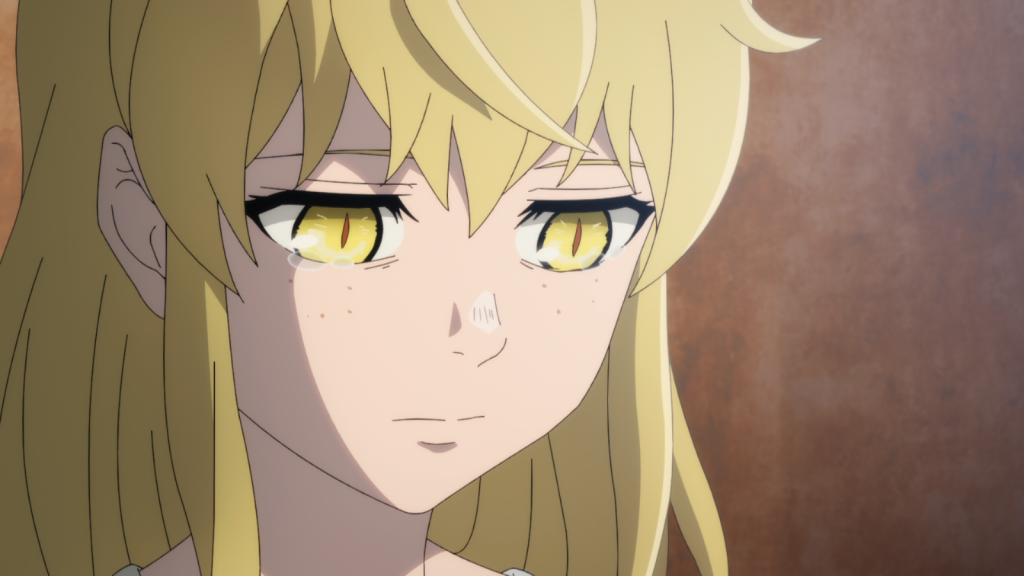
My personal enjoyment score reflects that the series’ negatives ultimately outweighed its positives. While the phenomenal music, songs, and the inherent intrigue of certain characters (most notably Rachel’s descent into amplified evil and insanity, highlighted by the chilling scene with Dan) were appreciated, they could not overcome the series’ fundamental issues.
The core frustration stemmed from the poor plot execution and pacing issues. Action sequences were brief or predictable, and the characters I cared about were never explored sufficiently. The lack of screentime for key players, such as Rachel’s two or three significant scenes over twelve episodes, made the entire season feel like a tedious distraction.
Overall Score: 6.0 out of 10.0 Floors Cleared
This final score places Tower of God: Return of the Prince at the lower end of the acceptable range (“fine”). This rating is consistent with the general sentiment (MAL score of 6.68), which views the season as a significant drop from the first. The series possesses redeeming elements—notably the excellent audio, intriguing setting, and the return of the central cast—but ultimately, its misguided character focus and severe pacing problems make it a frustrating and mediocre experience.