Bye Bye, Earth (2024), based on the light novel by Tow Ubukata and Kim Hyung-tae, arrived with a symphony of elements poised for greatness. I had high hopes. A female-led fantasy quest? Check. Intriguing anthropomorphic designs and animal features? Double check. A soundtrack helmed by the undisputed genius, Kevin Penkin? My heart was set. This anime should have soared to a 9/10 masterpiece.
Instead, Bye Bye, Earth delivered a devastating disappointment. The execution of the story collapsed under its own weight, turning what should have been a triumph into a frustratingly opaque experience. It is a disheartening reminder that perfect ingredients do not guarantee a perfect meal. The tragedy of Bye Bye, Earth lies almost entirely in its botched storytelling.
Story
Score: 5/10 — Frustratingly Average
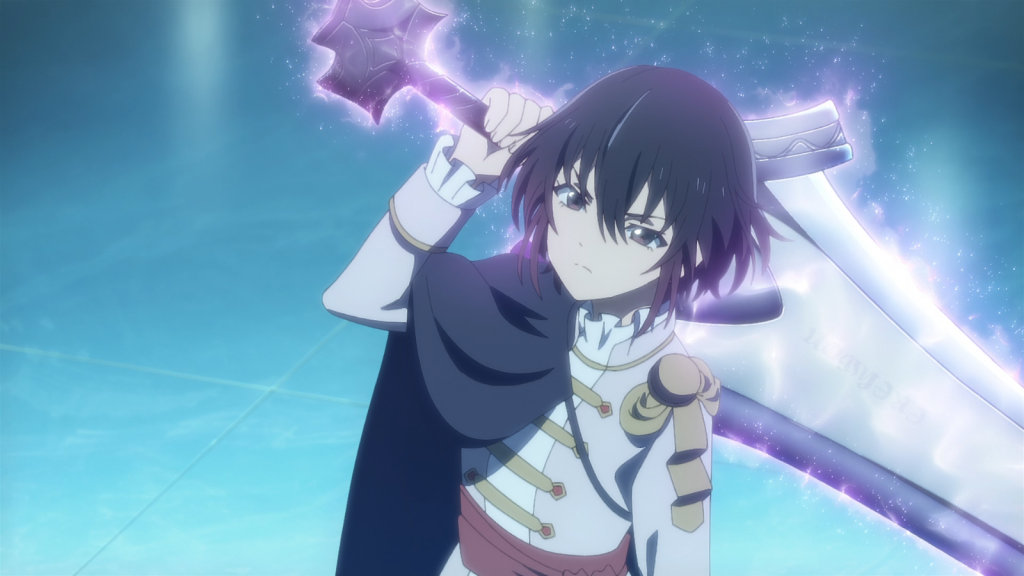
Meet Belle Lablac, the “Faceless” (or “Featureless”). In a world populated by cat-eared knights, fox-tailed mercenaries, and sex-shifting mermaids, Belle is the only creature born without non-human characteristics—a freak of nature. Armed with her magical sword, Runding, she embarks on a solemn journey to uncover her origins and find her people.
Before her quest can truly begin, Belle is tied down to Schwert Land, serving as a solist (a warrior/knight) for the King. The first season chronicles her entanglement in court corruption and bizarre wars, where she develops a bond with the cat-boy Adonis.
The most egregious failure of the anime lives here. The first two episodes set up an irresistible central mystery: What is Belle, and where does she come from? Then, for the next eight episodes, that vital question is completely shelved. The pacing grinds to a halt, focusing instead on Belle’s emotional arc in the city of Park, her relationship with Adonis, and the petty politics of Schwert Land. This narrative stall was a dealbreaker for many, but for me, the real killer was the abysmal world-building and non-existent exposition.
The story is a confusing mess of vague concepts and unexplained fantasy mechanics. I yearned for a simple, clear explanation of the world’s magic or the political situation mid-battle, yet received only frustrating ambiguity. I felt constantly lost, struggling to grasp key plot points. It’s a spectacular failure to communicate its own narrative, ultimately forcing meaningful themes (like free will) to feel clumsy and tacked on.
Visuals
Score: 8/10 — Stunning
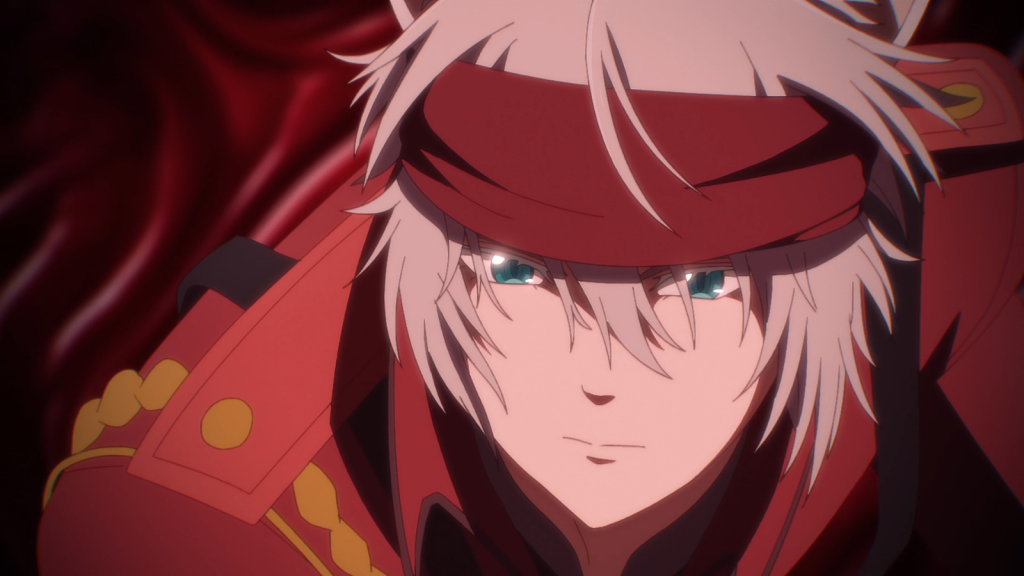
If the story was the Achilles’ heel, the visuals were the armor. LIDENFILMS delivered a genuinely stunning aesthetic. My sole complaint is the occasional, jarring use of terrible 3D for army shots, a common modern anime flaw. Beyond that, the art and animation are excellent.
The world is rendered in beautiful fantasy settings with a bold, appealing color palette. Character designs are memorable and impressive—I am, after all, a sucker for the magnificent design of Adonis The Question. Magic effects look genuinely cool, and the emotive facial expressions make the characters feel genuine. This is a show that, visually, had every right to be a masterpiece.
Audio
Score: 9/10 — Auditory Genius
I have nothing but unreserved praise for the audio. Kevin Penkin’s score is exactly the quality you would expect from the genius behind Made in Abyss. The instrumental tracks are breathtaking and fuel the imagination far better than the plot ever did.
The theme songs are equally strong. The opening, “Faceless” by Asca, is inspiring and catchy. However, I prefer the haunting, solemn beauty of the ending track, “I Luv U 2” by LMYK—it is a beautiful, soothing, yet deeply melancholic piece.
The voice cast is a superstar ensemble. Fairouz Ai is perfect as Belle, bringing a youthful, spunky energy. Junichi Suwabe‘s deep, suave voice suits Sian perfectly. My personal favorite, Kouki Uchiyama, gives Adonis The Question that signature cool, slightly gravelly edge. The cast—including Natsuki Hanae (Kitty) and the angelic Saori Hayami (Shelly)—is flawless, providing a foundation of talent the script simply didn’t deserve.
Characters
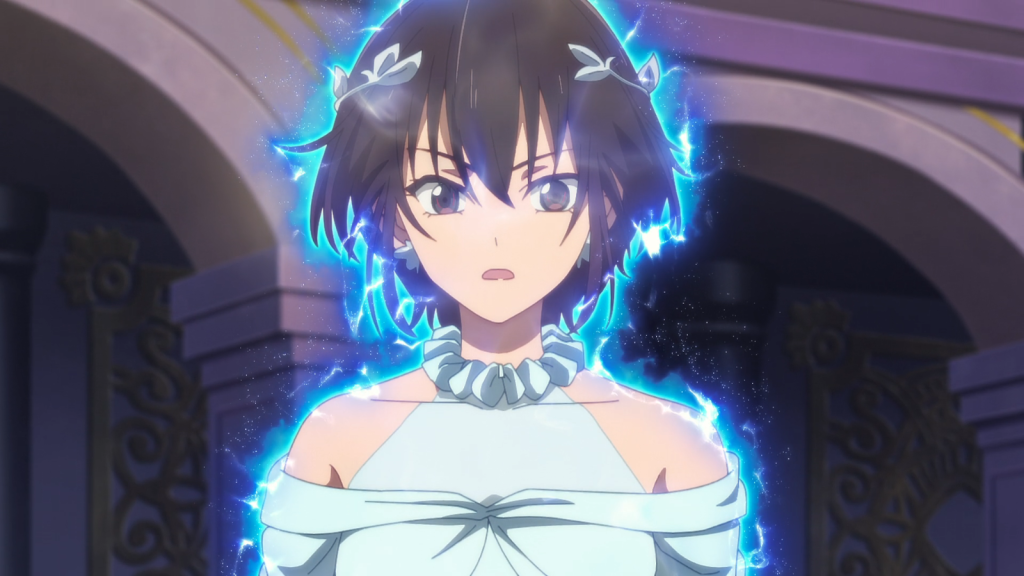
Score: 7/10 — Adequate, But Underdeveloped
While the cast was conceptually interesting, a significant lack of runtime (only ten episodes) meant most characters felt tragically underdeveloped. While I love that Belle is written as a genuinely real person and not a male fantasy doll, and the mer-folk with their unique sex-shifting trait (Benetto and Tiziano) are cool, the cast suffered from a lack of focus that hindered deep connection.
The most captivating arc was that of Adonis. His journey from Belle’s close confidant and love interest to her personal antagonist was compelling and well-executed. The character writing was adequate, but definitely not amazing; it leaves the viewer perpetually wishing for more.
Personal Enjoyment
Score: 5/10 — Constrained Disappointment
I desperately wanted to enjoy this series, but the constant confusion and disappointment stemming from the messy narrative kept my score low. While the visuals, audio, and basic character concepts were enjoyable, the central flaws were too big to ignore. This is not a bad anime, but it is a frustrating one because of its colossal missed opportunity.
Note on a Difficult Scene: In episode 9, the story handles Adonis’s act of desperation and despair—the sexual assault of Belle—with a rare and commendable maturity. Crucially, Belle’s trauma is never sexualized for the viewer, and the narrative does not dismiss or minimize the gravity of the incident. It portrays the psychological aftermath realistically, a testament to the show’s quality in handling severe emotional content, even if the rest of the plot was clumsy.
Overall Score: 6.8 out of 10.0 Magic Swords
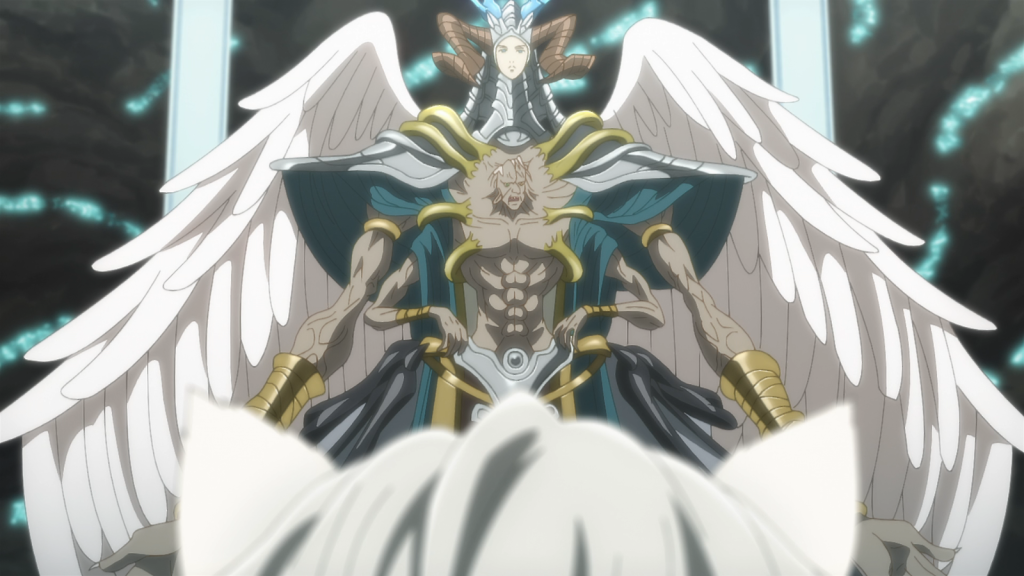
Bye Bye, Earth resides in the “fine” range—a painful truth for an anime that aimed for the heavens. Its vague, clumsy narrative and squandered potential are immeasurably irksome. I would still recommend it purely for the magnificent soundtrack. If you are drawn to female-led fantasy, give it a cautious try, but be prepared for the distinct, heartbreaking feeling of knowing how much better it could have been.