Shikanoko Nokonoko Koshitantan!, or My Deer Friend Nokotan, didn’t just become popular in the Summer 2024 anime season—it became a certified, mainstream cultural artifact, largely thanks to its instantly viral opening song and dance. Yet, the chasm between the show’s massive digital exposure and the number of viewers who finished the series with genuine praise is telling. The question remains: Was Nokotan a good anime, or just a successful meme? Grab a deer cracker and let’s dissect the brainrot.
Story
Score: 5/10 — Average
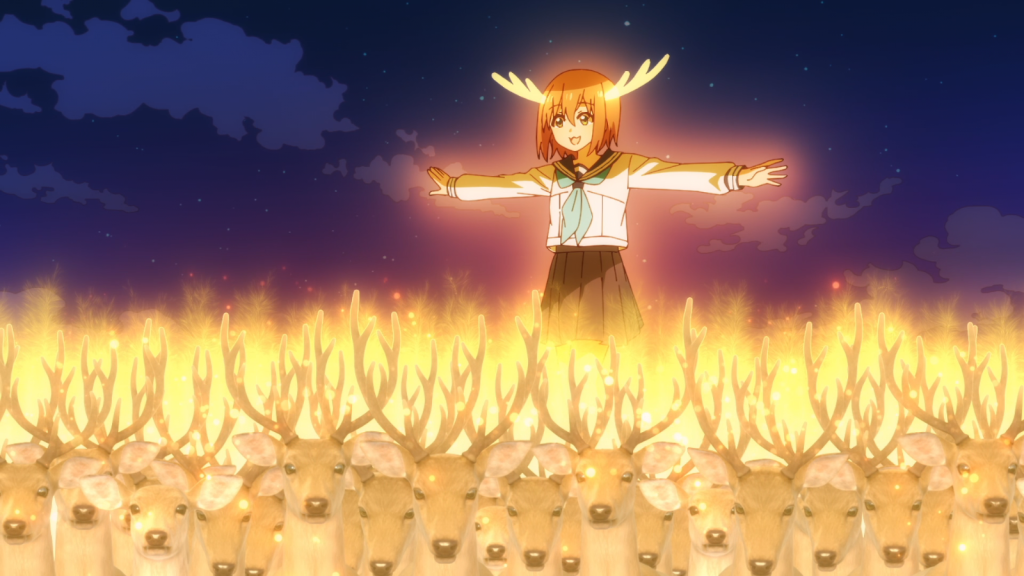
The premise is simple: Torako Koshi, a former delinquent turned admirable high school student, finds her carefully constructed image immediately compromised by the transfer student, Nokotan—a girl who inexplicably has deer antlers. Nokotan is a force of reality-defying absurdity, and for reasons never explained, no one (especially not the faculty) bats an eye. Koshi is coerced into forming the “Deer Care Club,” where the two, along with new friends, spend their after-school days engaging in escalating, illogical hijinks.
On paper, this setup has comedic potential. I, personally, found much of the series funny precisely because I enjoy absurdist, goofy comedy. However, the dominant online consensus suggests that Nokotan largely failed at sophisticated humor, resorting instead to “brainrot”—a term I accept, as that was the main draw. Viewers expecting witty, well-crafted jokes were left disappointed.
The central narrative had potential but rapidly devolved. While the first episode was particularly strong, the series quickly settled into repetitive school comedy tropes. The show missed several opportunities to deepen its premise, such as exploring Nokotan’s reality-bending powers or integrating divine lore into a comedic long-term goal (like restoring her as the God of Deer). As it stands, the plot is utterly disposable—an adequate framework for gags, and nothing more.
Visuals
Score: 6/10 — Adequate
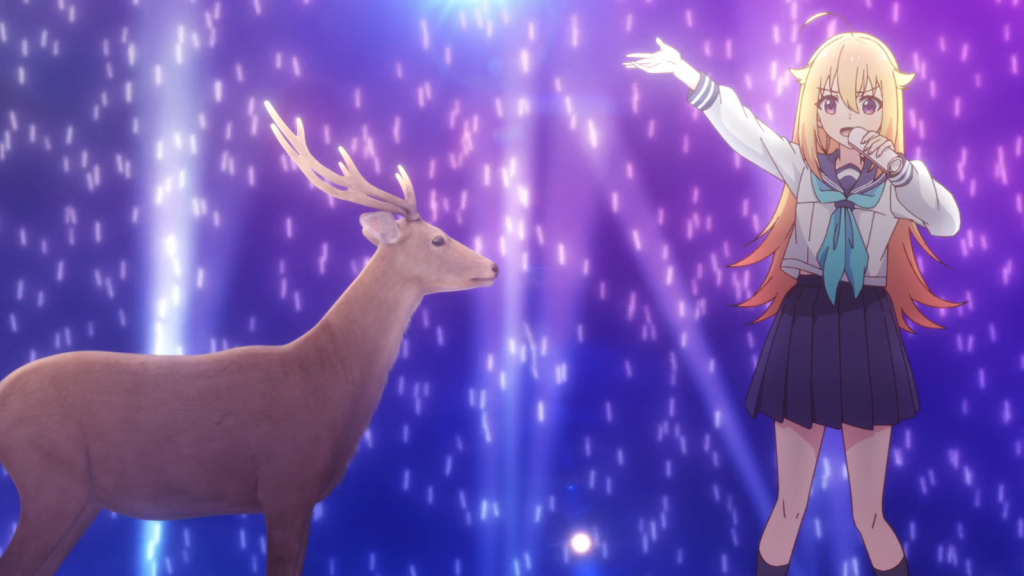
Animated by Wit Studio, a name synonymous with high production value, Nokotan is visually competent but far from the studio’s best work. It hovers around average quality, though it occasionally deploys creative, low-budget visual gags—such as Nokotan’s sudden transformation into a buff, JoJo-esque character—that successfully amplify the humor.
The most jarring visual element is the CGI deer. They are animated at an absurdly low frame rate, possess a disturbingly realistic texture, and are plagued by dead-eyed stares, making them look fundamentally out of place. While it is possible this deliberate visual dissonance was intended to enhance the bizarre, dreamlike quality of the comedy, the result is often more off-putting than funny.
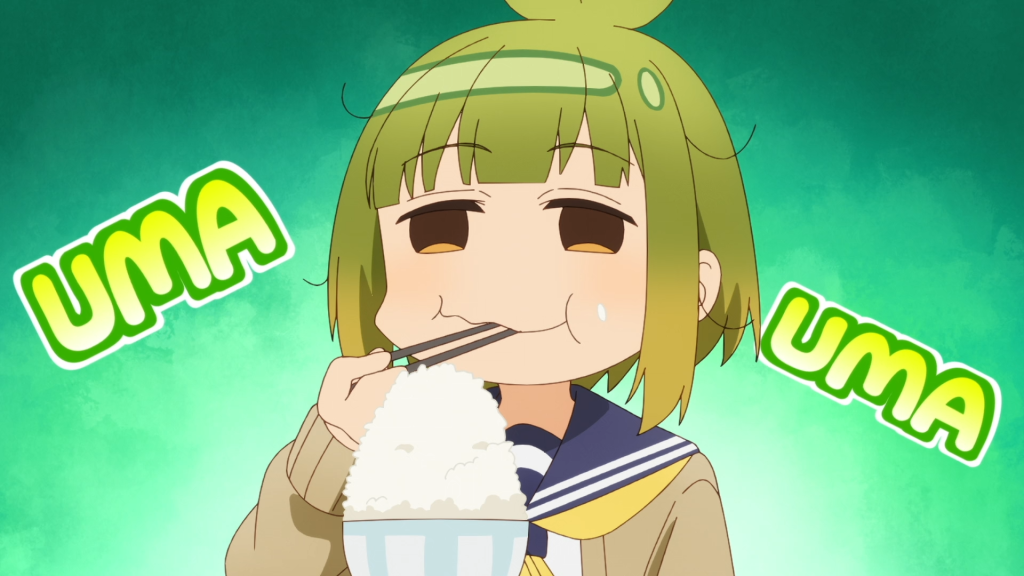
Despite these issues, the character designs are a genuine success. They are simple, cute, and remarkably iconic. Nokotan’s straightforward design—antlers, short brown hair, sailor uniform—is instantly recognizable. My personal favorite is Meme Bashame, whose dusty uniform, messy greenish hair, and sleepy eyes make her look like an adorable gardening spirit. The designs successfully make the cast memorable and charming.
Audio
Score: 8/10 — Excellent
The audio domain is one of Nokotan‘s two undeniable redeeming qualities (the other being its best absurd jokes). While the instrumental score is largely forgettable, the main theme, “Shika-iro Days,” is a certified, infectious banger—a catchy, cute, and upbeat song that is legitimately more popular than the anime it supports. Performed by the main voice cast (the seiyuus for Koshi, Nokotan, Anko, and Bashame), it’s pop perfection. The ending, “Shika-senbei no Uta,” is a fun, if less viral, companion piece.
The voice-acting is phenomenal across the board. Megumi Han (Gon in Hunter x Hunter 2011) brings incredible energy to the hyperactive Nokotan. Saki Fujita (Ymir in Attack on Titan) expertly delivers the classic tsundere voice for Torako Koshi. Even minor roles, such as Yurika Kubou‘s performance as Nekoyamada, demonstrate high quality. The audio production spares no expense.
Characters
Score: 6/10 — Adequate
Nokotan herself is a fantastic comedic anchor: cheerful, chaotic, and completely free of logic. She’s the iconic, surreal force that drives the show. The character writing succeeds in making her memorable and fun.
The rest of the cast is far more mixed. Torako Koshi is a serviceable lead, but her over-achiever, tsundere dynamic is fundamentally unoriginal. The supporting characters are essentially one-note comedic instruments, resulting in highly repetitive and often missable gags. The line-up includes an obsessive, incestuous yandere sister (Anko), a charmingly catlike student council member (Nekoyama), and the perpetually spacey “farm girl” (Bashame). The inclusion of the incestuous yandere trope, in particular, was unnecessary and jarring.
Crucially, the character development is nonexistent. Koshi and the supporting cast are static, and even the star, Nokotan, never evolves. Furthermore, the writers were disappointingly timid with the implied romance between Nokotan and Koshi. The show could have been elevated into a truly unique “brainrot yuri” with genuine romantic chemistry, but this potential was sadly ignored.
Personal Enjoyment
Score: 7/10 — Good
My personal enjoyment was high because I appreciate the brand of surreal, “brainrot” comedy the show specializes in. Moments like Nokotan pulling a full guitar from her forehead and playing terribly genuinely made me laugh. I loved Nokotan, Bashame, and Koshi, and the audio experience was a constant pleasure.
However, a serious issue marred the experience: the frequent and uncomfortable “comedic” sexualization of the underage lead, Torako Koshi. The humor revolves around her dating life, virginity, and undergarments, often involving the active participation of high school teachers. This framing—suggesting the audience should obsess over Koshi as a “prize”—is fundamentally distasteful and unnecessary, dragging the tone down.
Overall Score: 6.4 out of 10 Deer Crackers
By my rating system, My Deer Friend Nokotan lands squarely in the “fine” category. Unless you are specifically seeking brainrot and enjoy extreme, absurdist humor, the full series is not worth your time. That said, I highly recommend that anyone with a sense of humor watch the first episode—it’s a self-contained, genuinely hilarious twenty-four minutes. And, of course, the opening song, “Shika-iro Days,” is required listening.