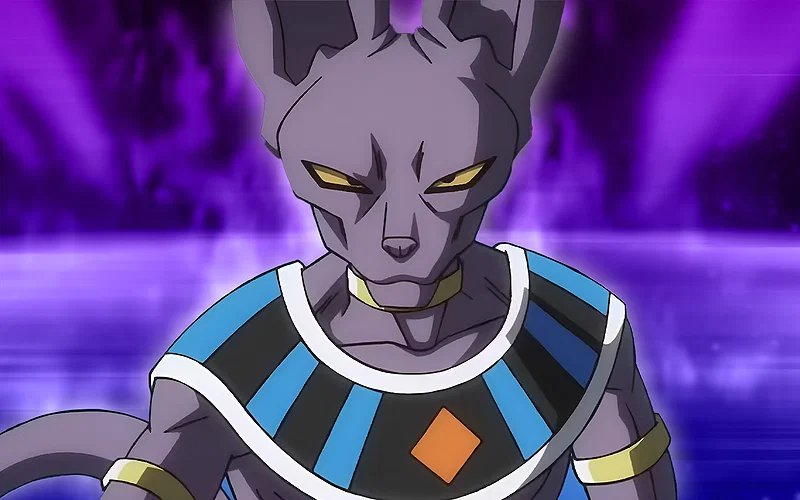
Beerus is the purple, cat-like God of Destruction who naps for decades, throws tantrums over pudding and treats Earth’s food like the only reason the planet deserves to exist. It is easy to file him under “comic relief” and move on. Yet ever since Dragon Ball Z: Battle of Gods introduced him in 2013, Beerus has quietly carried some of the most important ideas in modern Dragon Ball. With the remake Dragon Ball Super: Beerus retelling his debut this autumn, it is the perfect moment to ask: is Beerus just a joke with infinite power, or is he one of the best-written characters in the franchise?
A Threat Built on Mood Swings
Look at the villains Goku faced before Battle of Gods and a clear template appears: conquest, revenge, or a creator’s grand design. Beerus fits none of them. His reason for showing up is almost embarrassing. He wakes from a nap that lasted decades, recalls a prophecy from the Oracle Fish about a Super Saiyan God, and decides he would like to meet one.
This changes the kind of fear the story creates. The heroes always knew what Frieza or Cell wanted and could plan around it. With Beerus, nobody knows which comment, joke or missing snack will tip him over. Everyone at Bulma’s party ends up tiptoeing around him. The pudding incident captures it perfectly: Majin Buu refuses to share a dessert, and the strongest fighters on the planet are swatted aside in moments.
- Unreadable motives: Because he wants nothing in particular, he cannot be bargained with or outsmarted. The only strategy is to keep him entertained.
- No leverage: Hostages, threats and last-second power-ups mean nothing to someone who is not invested in winning.
Why the Jokes Actually Work
Beerus’s jokes do more than fill time between fights. They are how the series hands out its most unsettling information. The claim that he wiped out the dinosaurs because they had a bad attitude is played as a throwaway line, yet it quietly tells viewers that Earth has already been punished by him once. He is also revealed as the god who sealed the Old Kai inside the Z Sword after a petty quarrel. Dragon Ball Super even states that he gave Frieza the go-ahead to destroy Planet Vegeta, making him partly responsible for the near-extinction of the Saiyans.
Each reveal arrives with a laugh, and that is precisely why it lands. The contrast between an ancient deity and his tiny, petty reactions makes him feel unpredictable in a way a grim, silent destroyer never could.
Destruction as a Job, Not a Crime
Beerus also changed the franchise’s morality. When he was introduced, King Kai explained the basic rule of the cosmos: some gods give birth to stars and life, and others tear them down, and the universe needs both to stay in balance. Destroying planets is therefore part of his duty description, not a sign of villainy. That single idea reshaped Dragon Ball cosmology, paving the way for paired gods in every universe, angel attendants, and finally Zeno sitting above them all.
Hidden Kindness Behind the Bored Face
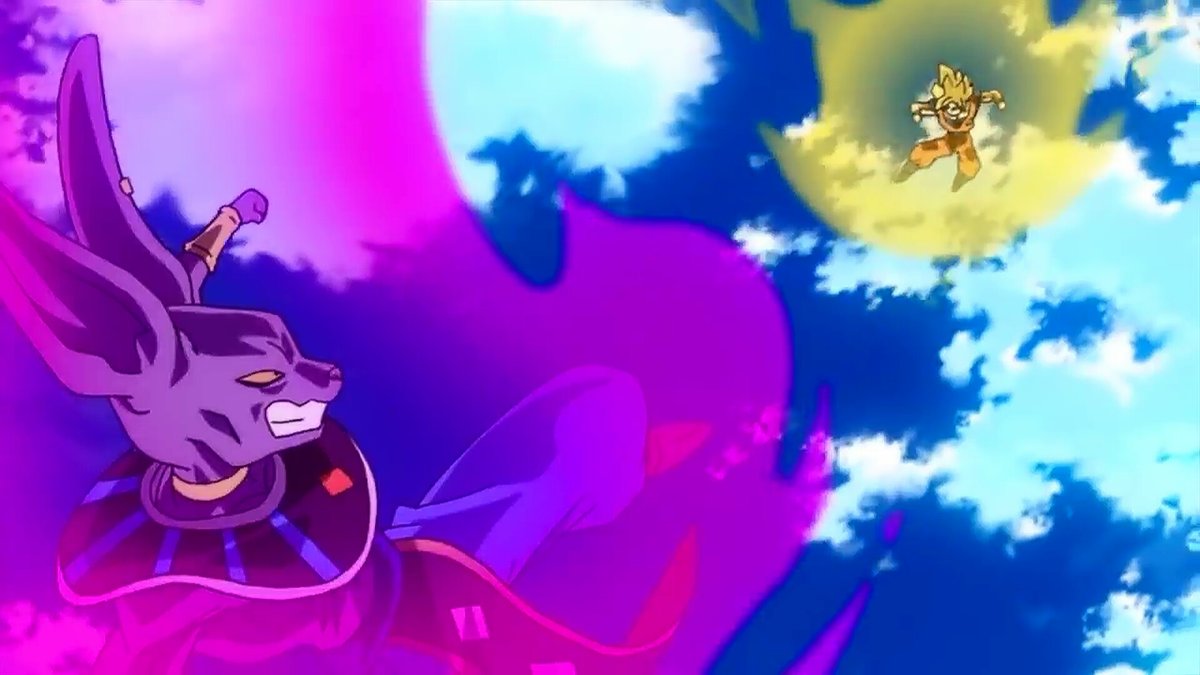
Beerus often does the right thing while pretending not to care. During the original fight with Goku, he claims to be giving everything when he is clearly holding back. At the end, instead of destroying Earth as promised, he simply announces he is too sleepy and drifts off. A popular interpretation is that he had already recognised Goku’s talent and wanted to leave room for him to grow.
This pattern repeats throughout Dragon Ball Super:
- The secret wish: After the tournament against Universe 6, Beerus uses his wish on Super Shenron to restore the Earth of Champa’s universe, and asks Whis to keep it quiet so he does not look soft.
- Stopping Zamasu: When he learns what Zamasu will become, Beerus erases him in the present timeline without hesitation. The rogue Kai’s story is covered in our look at Goku Black and Zamasu.
- Champa’s erasure: When his twin brother is wiped out during the Tournament of Power, Beerus does not gloat. He stays silent, eyes closed, which many viewers read as real grief.
- Training Vegeta: In the manga, Beerus personally helps Vegeta develop a destruction-based style that grows into Ultra Ego, the path compared in Ultra Instinct vs Ultra Ego.
Beerus and Whis – Power With a Babysitter
Then there is Whis. The angel is his attendant, his trainer from long ago, and the one being who can rein him in when a tantrum goes too far. Their scenes also reveal Beerus’s pride. He hates looking weak in front of Whis, bristles at the angel’s teasing, and still listens when Whis gently corrects him. Whis is effectively the conscience Beerus pretends he does not need. For a sense of how far angels outclass mortal fighters, compare the debate over Whis vs Black Frieza.
Beerus is also less free than he seems. His life is linked to the Supreme Kai of Universe 7, so if Shin dies, Beerus dies too. And he can be erased by Zeno at any time. The all-powerful destroyer is, in practice, a middle manager with a terrifying boss.
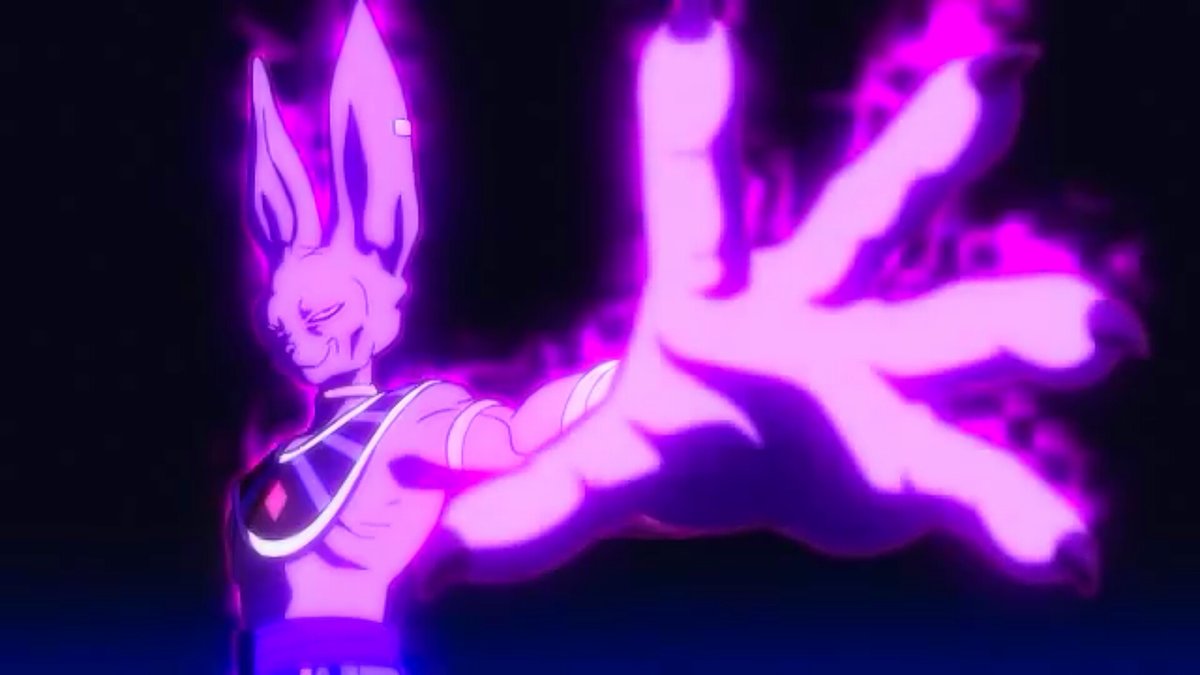
Does Beerus Want to Retire?
The Successor Theory
One intriguing theory asks why a lazy god who ignored Frieza’s tyranny and Majin Buu’s rampage suddenly woke up to search for a Super Saiyan God. The answer, some fans suggest, is that Beerus wants a successor. He does not seem to enjoy his duties, and gods in other universes already have candidates in training. A worthy rival could also be a future replacement, which would explain why he keeps testing Goku and Vegeta instead of simply ending them. Goku, of course, has no interest in the post, a point explored in why Goku never becomes a God of Destruction.
A Bored God Who Finally Found Fun
A simpler reading is that his entire arc is about boredom. His constant drowsiness may be a symptom: when nothing in the universe can challenge him, sleeping is the easiest way to pass the time. Goku and Vegeta, constantly improving, are the first thing in ages that keeps him entertained.
Not Everyone Is Convinced
Not all fans love the character. One complaint is that a god driven by snacks recycles the innocent appetite that made Majin Buu endearing, and that he lacks the warmth of earlier gods like Kami or King Kai, who watched over humanity. Another targets the retcons: learning that the fall of Planet Vegeta and the sealing of the Old Kai came down to Beerus’s moods can make those old tragedies feel smaller. A third criticism is about stakes. With Beerus and Whis hanging around as allies, every new crisis seems to come with a cosmic safety net. Still, the passion of these arguments shows how central he has become.
Conclusion
Beerus works because he is two things at once. He is a gag machine with pudding obsessions and nap schedules, and he is a cosmic force whose moods decide whether planets live. Behind the laziness sits a god who quietly spares Earth, restores his brother’s world, stops Zamasu and pushes the Saiyans past their limits.
With his debut being retold for a new generation, the question is worth asking again: is Beerus the best character Dragon Ball Super ever created, or did his arrival make the series too dependent on gods? Which side are you on?