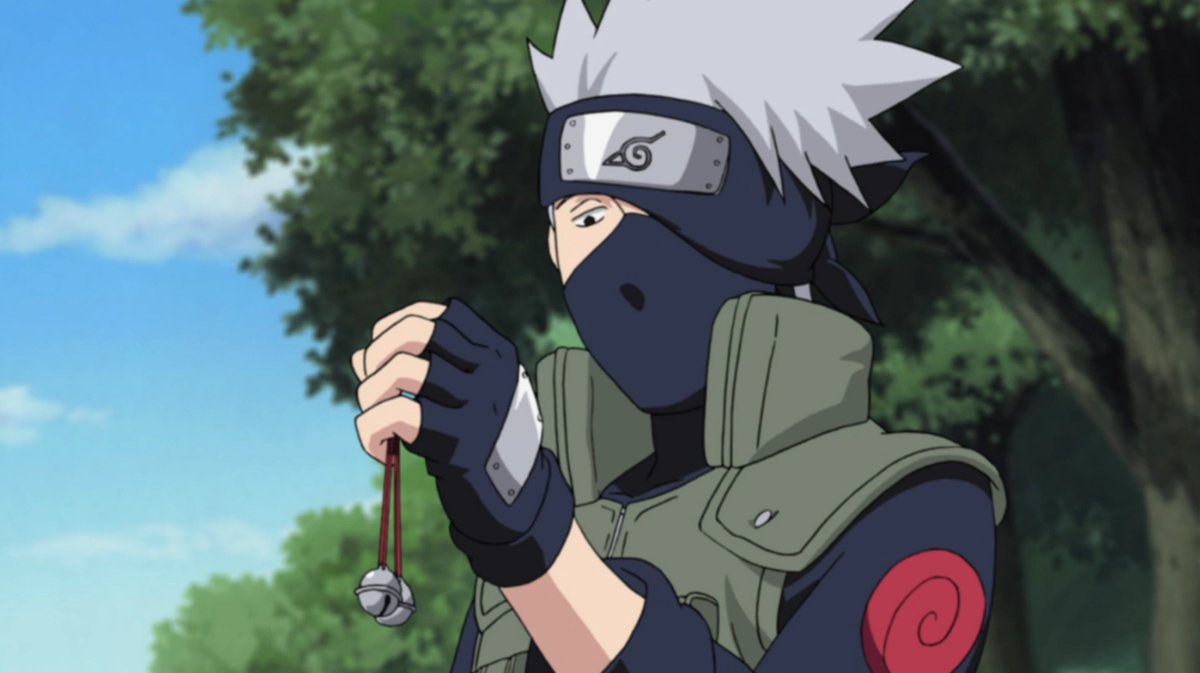
Naruto is full of larger-than-life heroes: a boy carrying a tailed beast, the last survivors of a cursed clan, legendary Sannin and god-like villains. And yet, in popularity poll after popularity poll, one of the most loved characters is a tired man in a mask who shows up late and reads a romance novel in the middle of a fight. Kakashi Hatake, the Copy Ninja, is cool, but that is not the whole reason fans adore him. Kakashi is the character who feels the most like a real adult. So what makes the Copy Ninja so relatable?
The Mask: Lazy Teacher, Hidden Weight
Kakashi’s first scenes set up a comedy character. He arrives hours late, introduces himself to Team 7 by saying he has no desire to share his likes or dislikes and that he has “lots of hobbies” (Chapter 4), and gives the impression that he barely cares. His excuses become a running gag; the most famous one is “Sorry I’m late, I’m afraid I got lost on the path of life” (Chapter 34).
That laid-back exterior is something many readers recognise from real life: the colleague who jokes about everything and never talks about himself. Over time, the story shows what sits underneath. The story strongly hints that Kakashi is so often late because he spends his mornings in front of the Memorial Stone, where his friend Obito’s name is carved. When he talks about that place, he admits it reminds him of all the mistakes he has made, and that there were a lot of them (Chapter 139). The joke becomes a quiet confession.
A Childhood Built on Loss
The Father He Could Not Understand
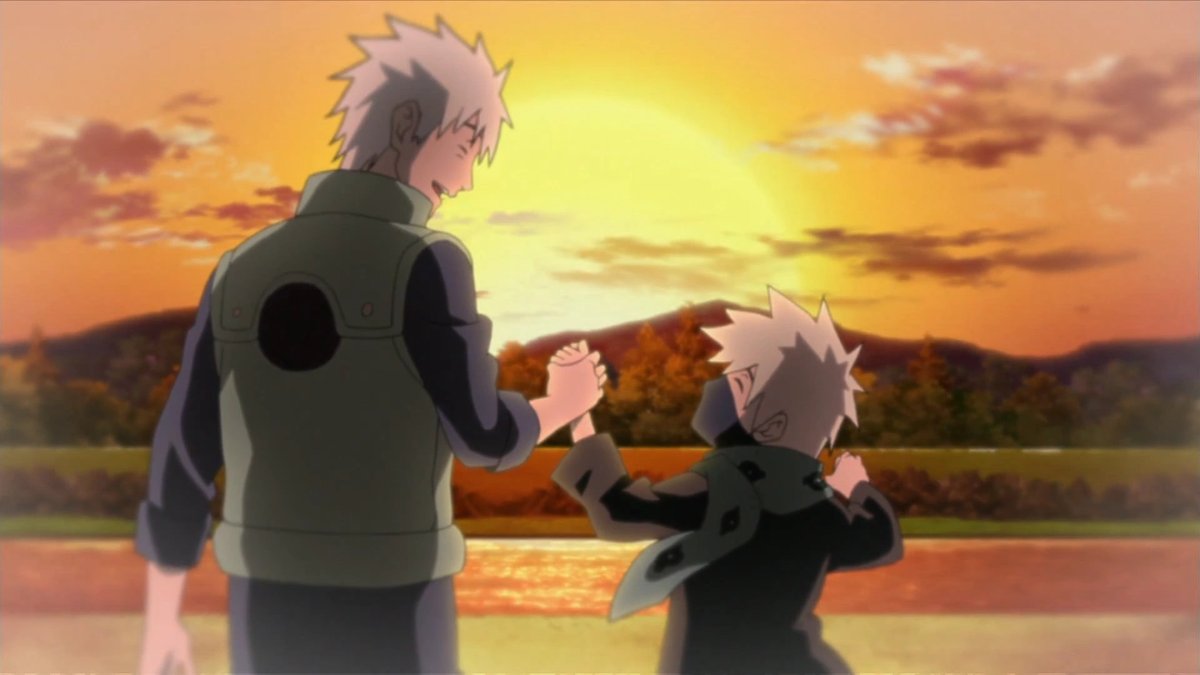
Kakashi was a genius from the start. He graduated from the Academy at five and quickly rose through the ranks. His father, Sakumo Hatake, was the famous White Fang of the Leaf. But Sakumo once abandoned a mission to save his comrades, and the failure brought disgrace from the village and even from the people he saved. Sakumo took his own life. Determined never to share that fate, young Kakashi decided that the shinobi rules must always come first (Chapter 240).
The Friend Who Changed Him
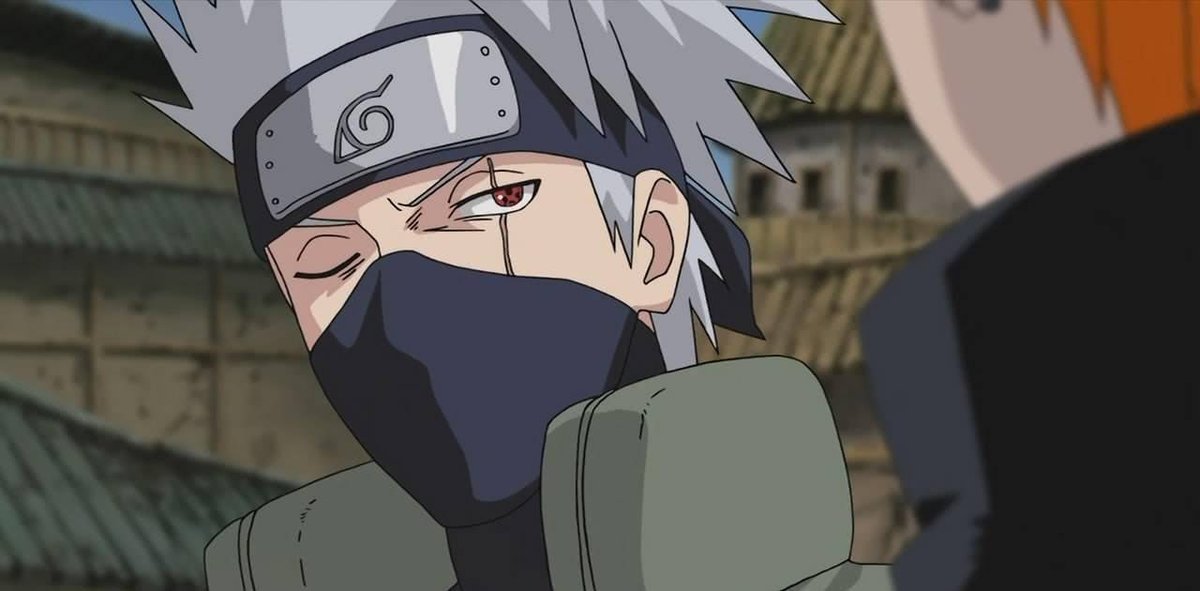
That rigid attitude collided with Obito Uchiha, a loud, clumsy teammate who wanted to save Rin when she was kidnapped. Obito told him that his father had been a hero, and that while abandoning a mission is bad, abandoning a teammate is worse. Kakashi turned back, lost an eye, and received Obito’s Sharingan as Obito lay crushed under the rocks. Kakashi promised to protect Rin. Later, Rin threw herself in front of his Chidori to stop the Three-Tails sealed inside her from being unleashed on the village (Chapter 629).
Many fans point out that this is the core of Kakashi: a man who carried a dead friend’s eye in his own face for more than a decade, a constant reminder of every promise he could not keep.
Why He Feels So Human
He Is Not the Chosen One
Kakashi has no special bloodline. His Sharingan is borrowed, it drains him so badly that he often ends fights in a hospital bed, and by his own admission his chakra reserves were average. Against Zabuza he had to be carried home; a few seconds of Itachi‘s Tsukuyomi left him bedridden until Tsunade arrived to heal him. Unlike Naruto or Sasuke, he does not get a destined power-up. He wins with preparation, clever thinking and stubbornness, which is how most people get through life.
He Passes On What Hurt Him
The most moving thing about Kakashi is how he turns pain into lessons. During the bell test, he fails Team 7 for acting alone and then tells them the line that defines the series: “In the ninja world, those who break the rules are trash, that’s true, but those who abandon their comrades are worse than trash” (Chapter 8). Those are Obito’s words, given to a new generation.
When Sasuke threatens to kill the people Kakashi loves to make him understand revenge, Kakashi calmly answers that those people are already dead, and urges Sasuke not to lose the friends he still has. It is the voice of someone who has already lived through the worst outcome.
He Makes Mistakes as a Teacher
Kakashi is not a perfect mentor, and that also makes him believable. Many readers criticise him for focusing on Sasuke, teaching him the Chidori while giving Naruto and Sakura far less personal training. Others defend him: he taught each student what suited them, Naruto had Jiraiya, and Sakura found her path with Tsunade. Either way, the result feels real. When Sasuke leaves the village, Kakashi blames himself for not spending more time with him.
Healing Takes a Long Time
Kakashi’s story is not about defeating a single enemy. It is about slowly forgiving himself.
- Making peace with his father: After dying against Pain, Kakashi meets Sakumo in a place between life and death. He tells his father that he now understands his choice and is proud to be his son, and Sakumo, finally at peace, thanks him.
- Facing Obito again: In the Fourth Great Ninja War, Kakashi discovers that the masked man behind the war is Obito. He tries to carry the burden alone and finish his old friend himself, until Minato stops him. A popular reading is that this was the moment Kakashi was finally allowed to put down a weight he had carried since childhood.
- One last gift: Against Kaguya, after losing his Sharingan, Obito’s spirit briefly lends him both of his Mangekyo eyes. For a few minutes Kakashi fights with a Complete Body Susanoo, standing side by side with his old team in spirit and his new team in reality.
Even his ending is relatable. Kakashi becomes the Sixth Hokage, a job many always expected him to take, and his reaction is dismay at the amount of paperwork. The Sage of Six Paths himself remarks that Kakashi’s greatest strength was never his eye but his ability to teach and lead.
Conclusion
Naruto is the hero readers want to be, but Kakashi is the person many readers actually become: someone who grows up too fast, loses people, hides it behind jokes and routine, makes mistakes with the people who depend on him, and still shows up. His story says that regret does not have to define a life, and that the best way to honour those we lost is to pass their lessons on.
That is why the Copy Ninja still resonates with fans long after the series ended. Which part of Kakashi’s story hit closest to home for you: the lazy teacher, the grieving son, or the friend who never stopped visiting the Memorial Stone?